
Exploring 7 Overlooked European Cities for Authentic Cultural Journeys
Europe, a continent rich in history and diverse cultures, often draws travelers to its renowned cities like Paris, Rome, and London. However, beyond these famous destinations lie lesser-known cities that offer equally compelling experiences. These overlooked locales provide authentic glimpses into the continent's multifaceted heritage, unspoiled by the throngs of tourists. This article embarks on an exploration of seven such cities, each promising unique cultural journeys. From quaint medieval streets to vibrant modern art scenes, these destinations are perfect for those seeking to delve deeper into Europe's diverse cultural tapestry.
Ghent, Belgium: A Medieval Marvel
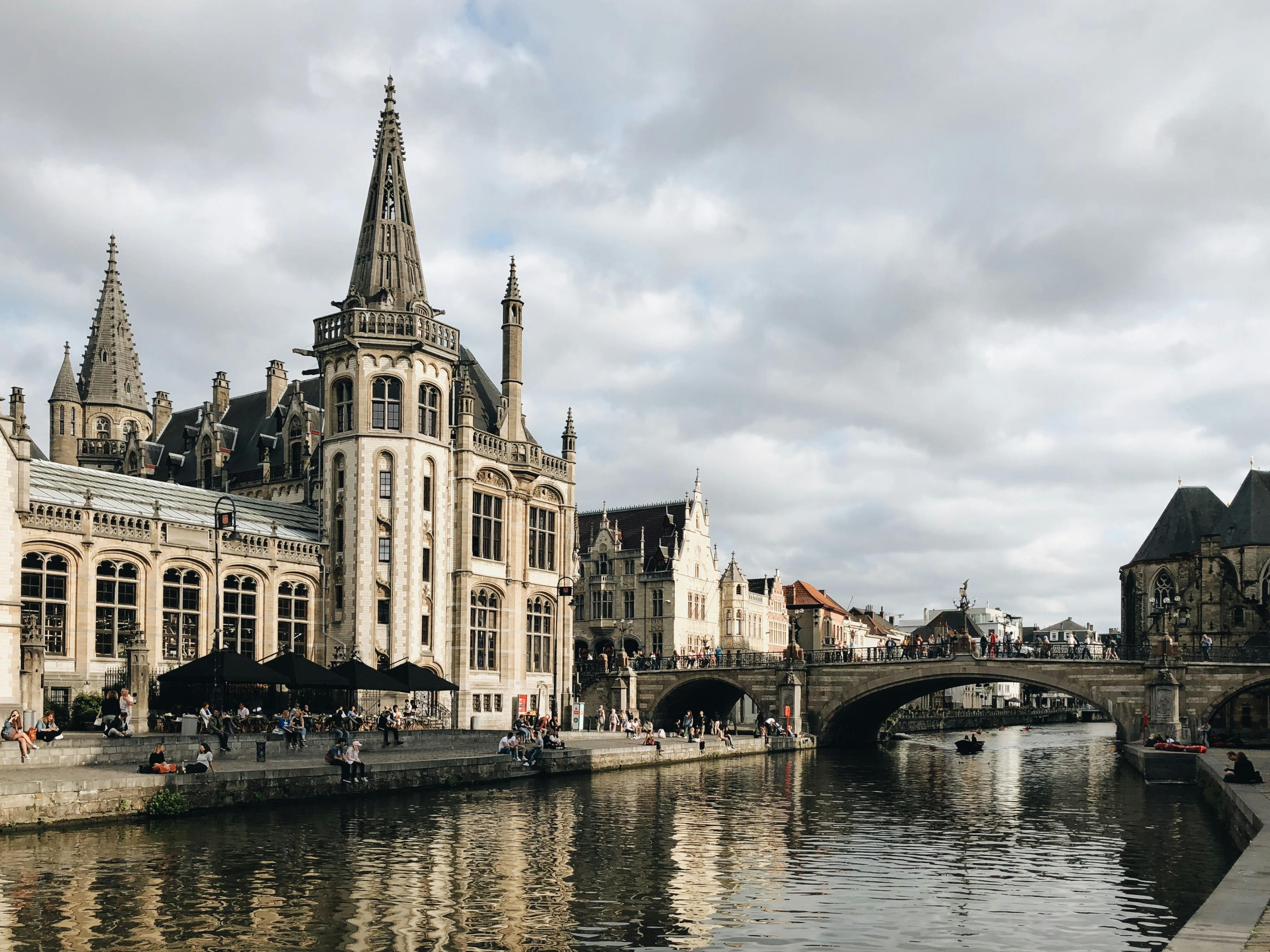
Nestled in the heart of Belgium, Ghent is a city that seamlessly blends its medieval past with a lively present. Often overshadowed by its more famous neighbor, Bruges, Ghent offers a rich tapestry of history and culture. The city is home to the stunning Gravensteen Castle, a medieval fortress that stands as a testament to its storied past. Visitors can wander through the cobbled streets of the Patershol district, where artisan shops and cozy cafes offer a taste of local life. Ghent's vibrant art scene, highlighted by the Museum of Fine Arts and the contemporary SMAK, provides a modern counterpoint to its historical allure.
Trieste, Italy: A Literary Haven
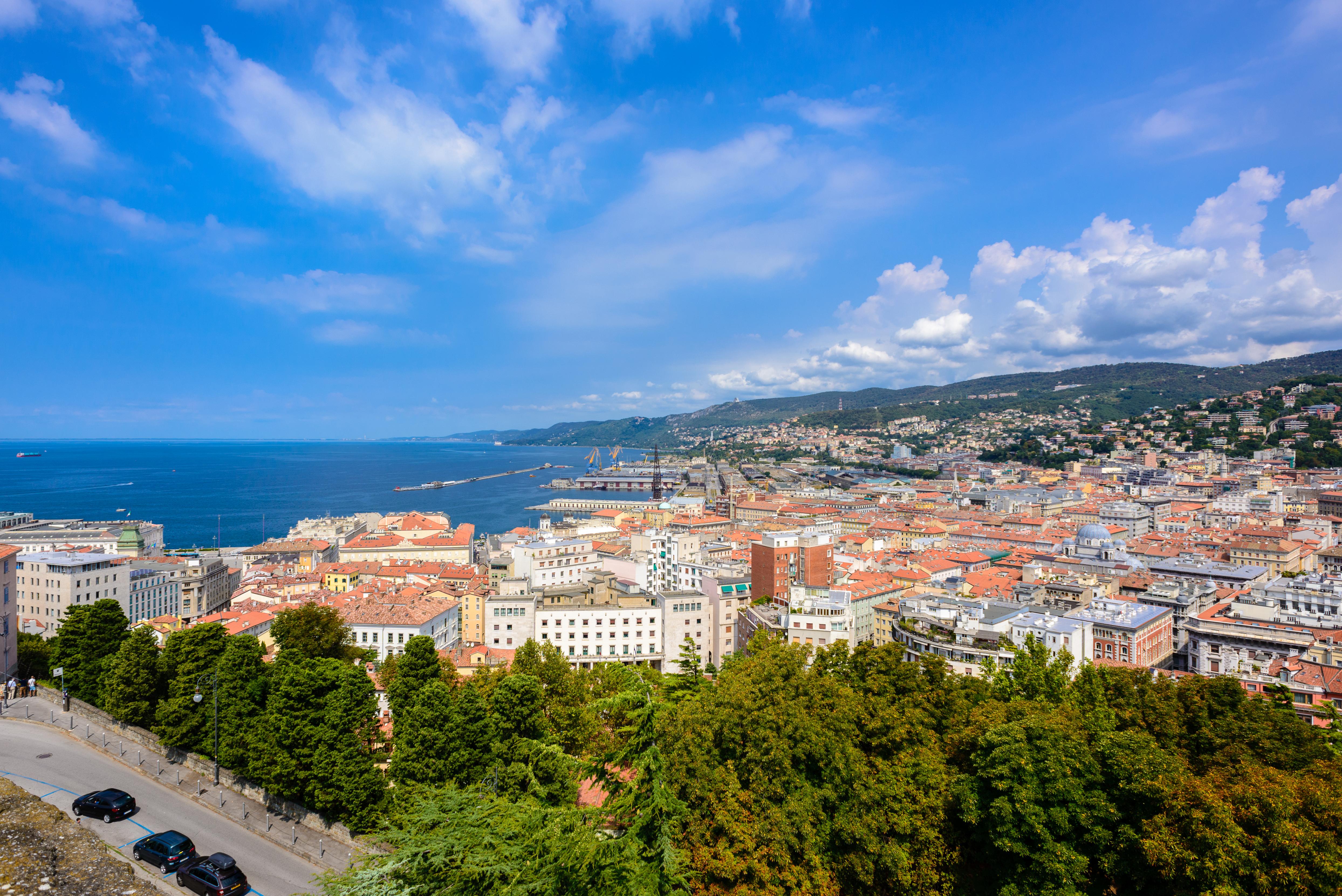
Situated on the northeastern coast of Italy, Trieste is a city of literature and intrigue. Its unique position at the crossroads of Latin, Slavic, and Germanic cultures has fostered a rich literary heritage. The city was a muse to writers like James Joyce and Italo Svevo, whose works capture the essence of its cosmopolitan spirit. The grand Piazza Unità d'Italia, one of Europe's largest sea-facing squares, is a testament to its historical significance. Trieste's coffee culture, epitomized by historic cafes such as Caffè San Marco, invites visitors to savor both the flavors and stories brewed within its walls.
Tartu, Estonia: The Intellectual Capital
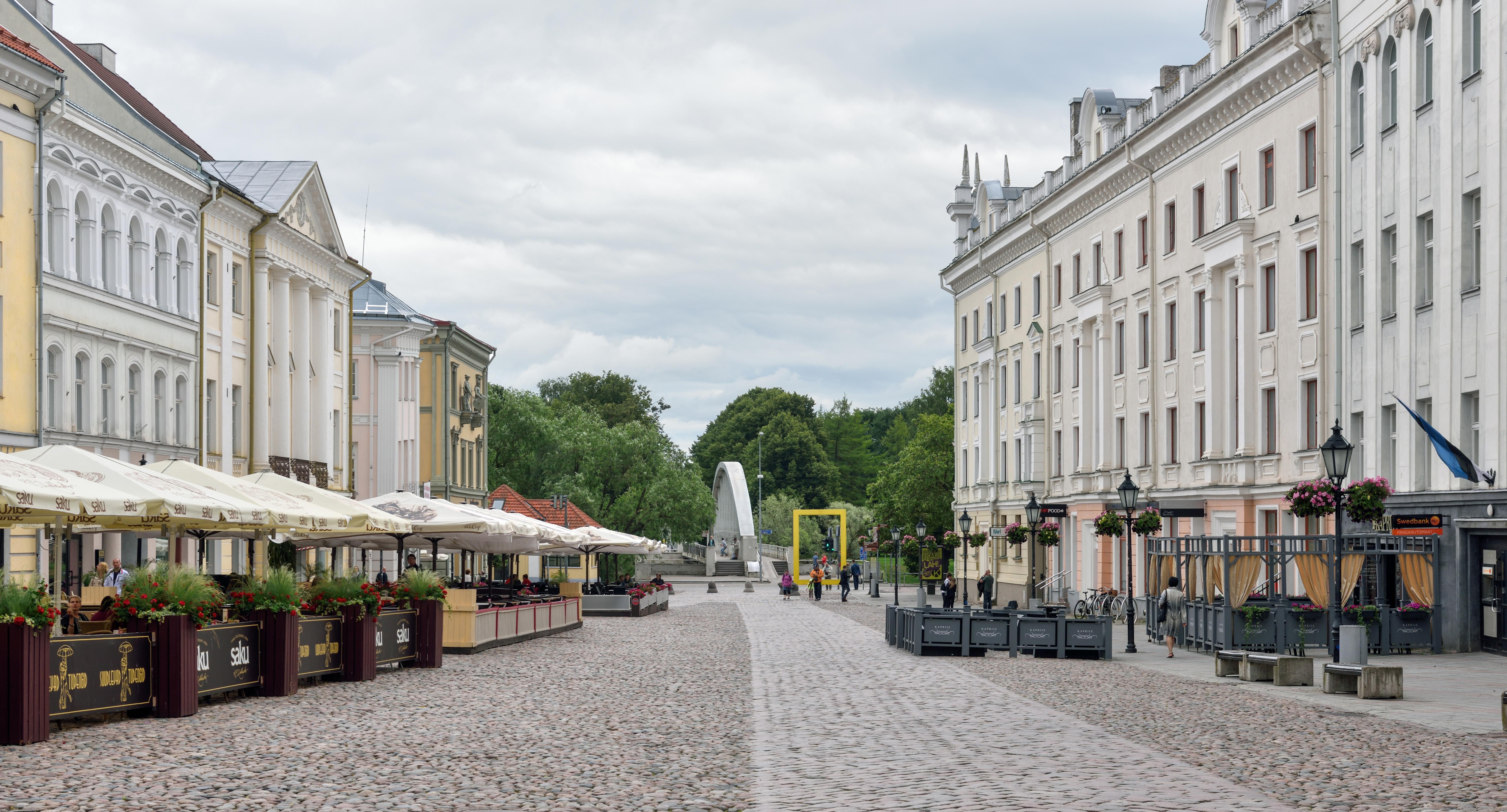
Known as Estonia's intellectual heart, Tartu is a city where innovation meets tradition. Home to the country’s oldest university, Tartu has a youthful energy that permeates its streets. The city’s architectural landscape is a blend of classical and modern, with landmarks like the University of Tartu’s main building and the contemporary Estonian National Museum. Tartu’s vibrant calendar of cultural events, including the Hanseatic Days and the Tartu Music Week, showcases its dynamic spirit. The city’s commitment to culture and education makes it a fascinating destination for those seeking an immersive intellectual experience.
Coimbra, Portugal: A City of Fado and History
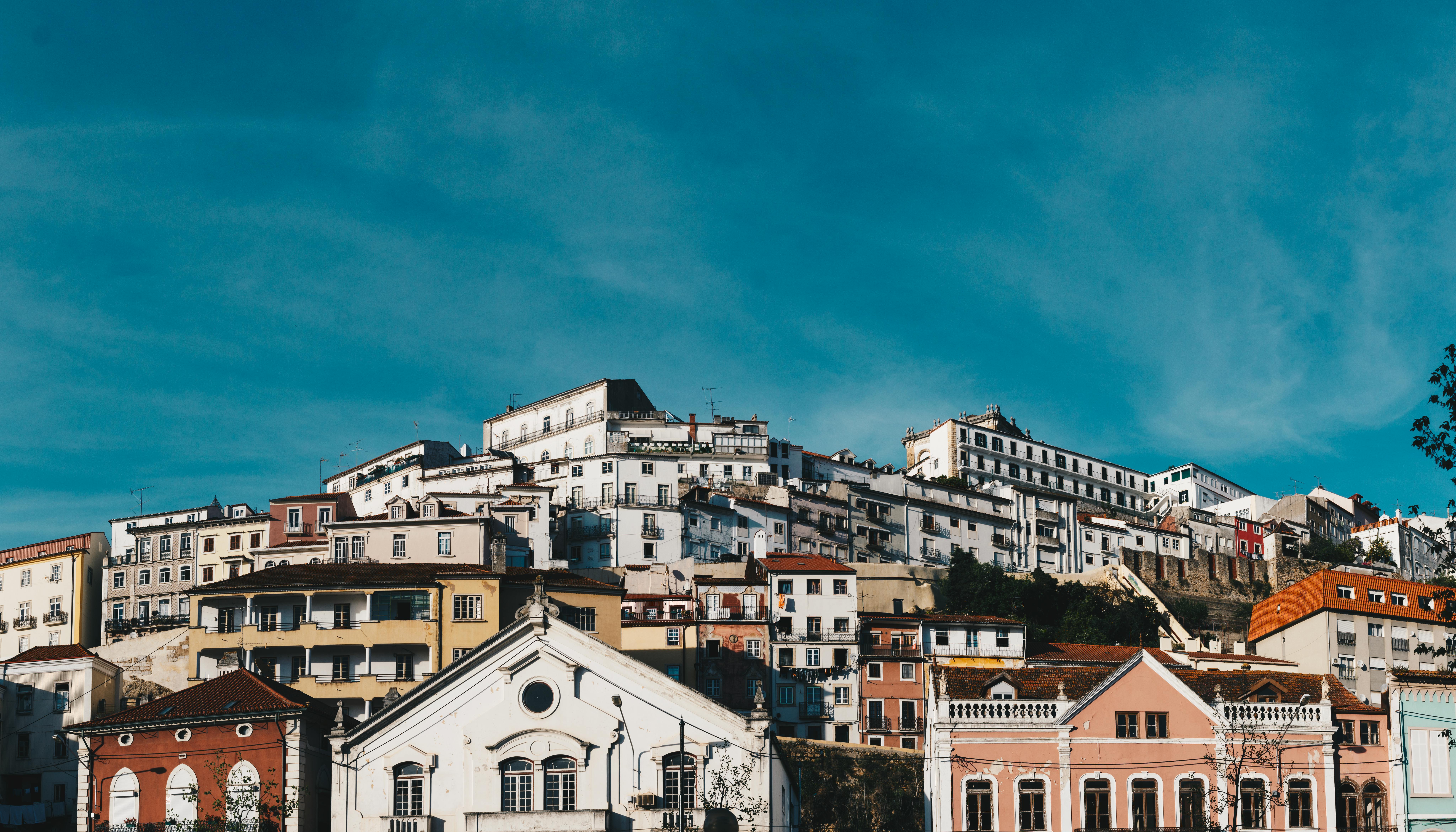
Perched on the banks of the Mondego River, Coimbra is a city steeped in history and tradition. Once the capital of Portugal, it is now renowned for its prestigious university, one of the oldest in Europe. The city’s historic core, a UNESCO World Heritage site, is a labyrinth of narrow streets and ancient buildings. Coimbra is also a cradle of Fado, the soulful music that echoes through its alleys and squares. The annual Queima das Fitas, a vibrant student festival, reflects the city’s youthful spirit and cultural vitality, offering visitors a chance to engage with its rich traditions.
Lviv, Ukraine: A Cultural Mosaic
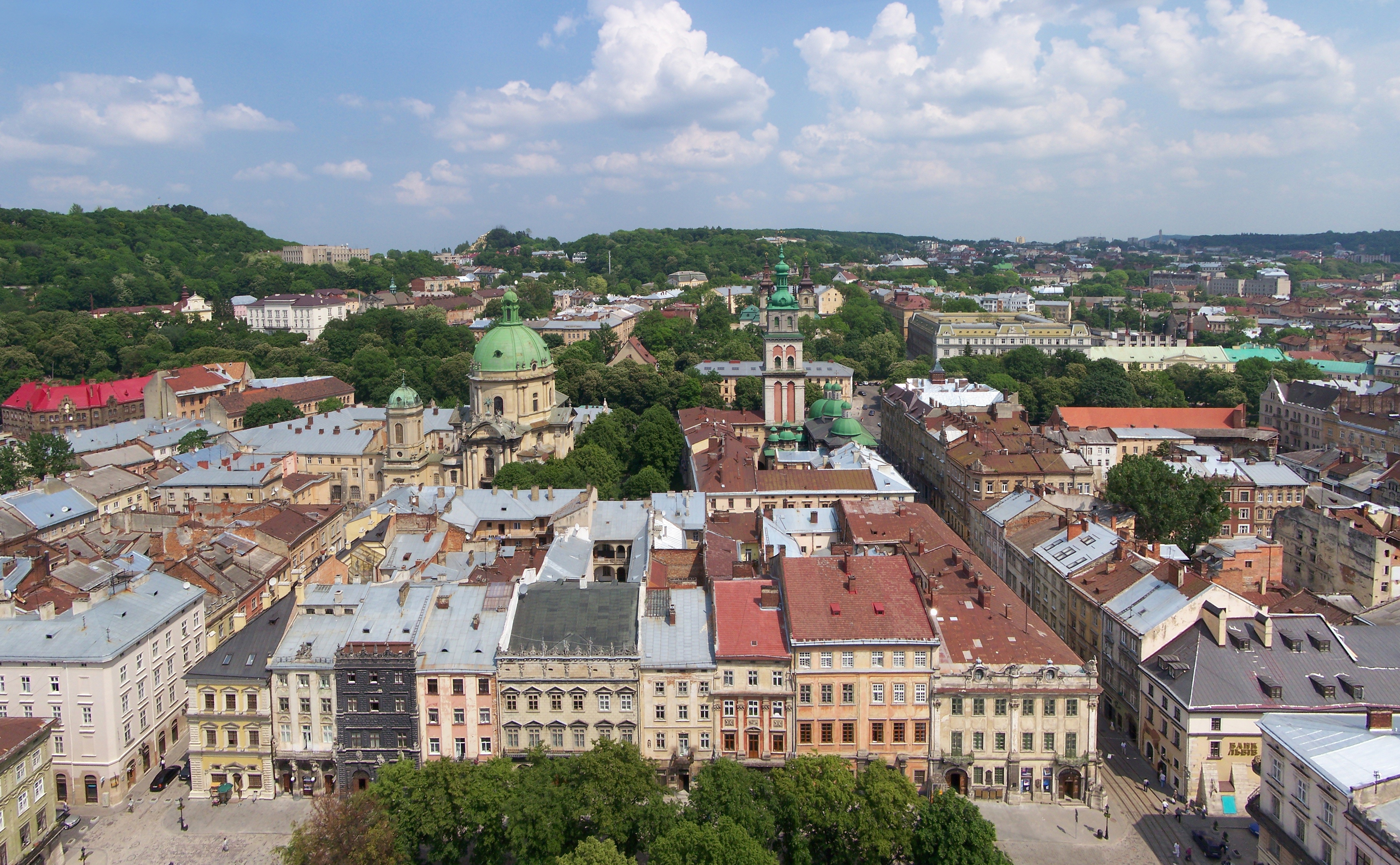
Lviv, a city in western Ukraine, is a cultural mosaic where East meets West. Its UNESCO-listed old town is a treasure trove of architectural styles, from Renaissance to Baroque and Art Nouveau. Lviv’s multicultural heritage is celebrated through its diverse festivals, such as the Lviv Coffee Festival and the Leopolis Jazz Fest, which draw visitors from around the world. The city’s vibrant café culture, with establishments like the historic Lvivska Kopalnya Kavy, offers a window into its rich history. Lviv’s dynamic blend of cultures and traditions makes it a captivating destination for those seeking an authentic European experience.
Graz, Austria: A Design Delight
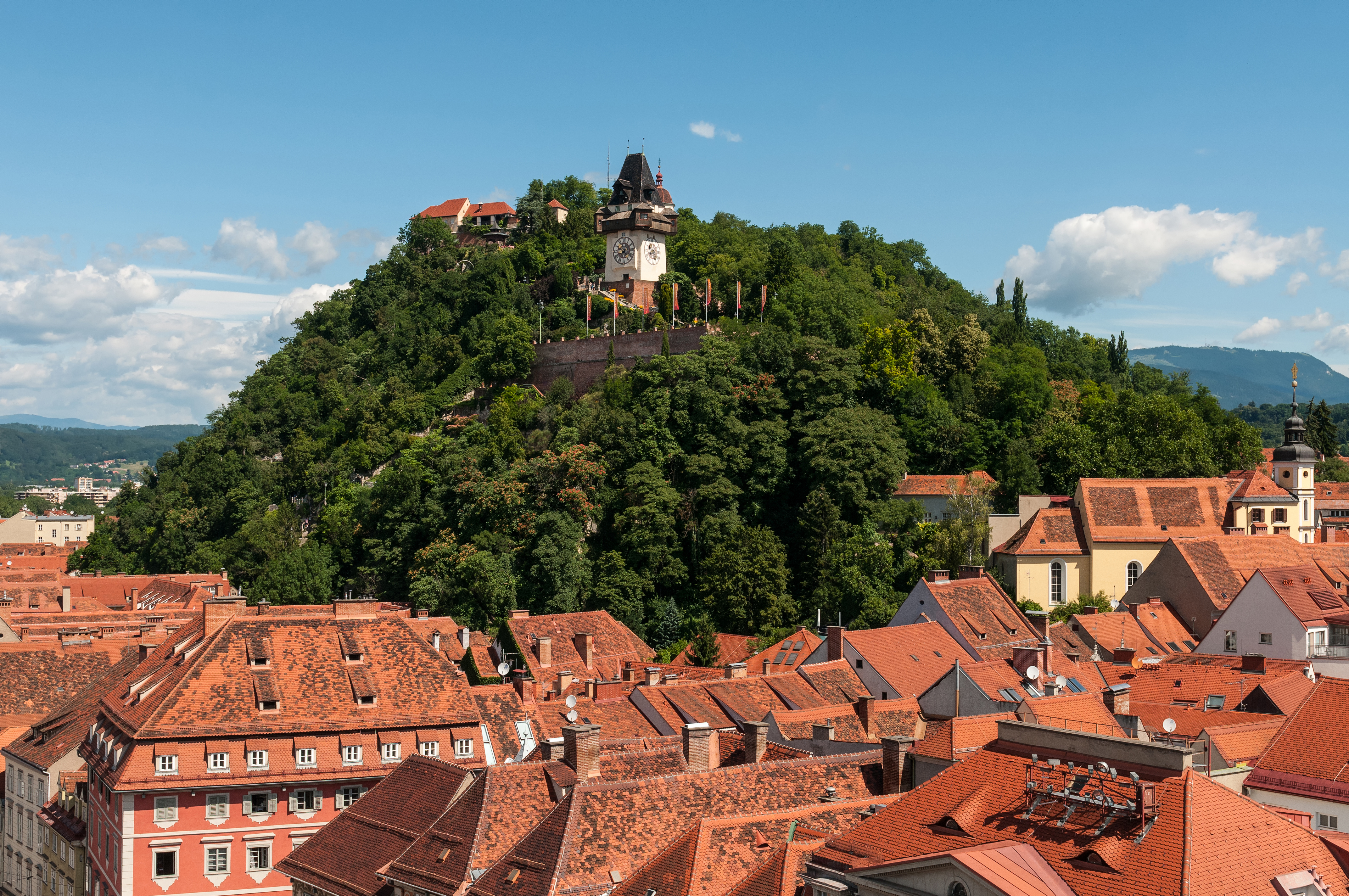
Graz, Austria’s second-largest city, is a UNESCO City of Design known for its innovative spirit and architectural wonders. The city’s historical center, with its Renaissance courtyards and Baroque facades, contrasts with modern landmarks like the futuristic Kunsthaus Graz. Graz’s commitment to design is evident in its vibrant creative scene, from fashion to architecture and beyond. The city’s culinary offerings, influenced by its proximity to Italy and Slovenia, provide a delicious exploration of regional flavors. Graz’s harmonious blend of tradition and innovation makes it a must-visit for those interested in design and culture.
Plovdiv, Bulgaria: The Ancient and the Artistic
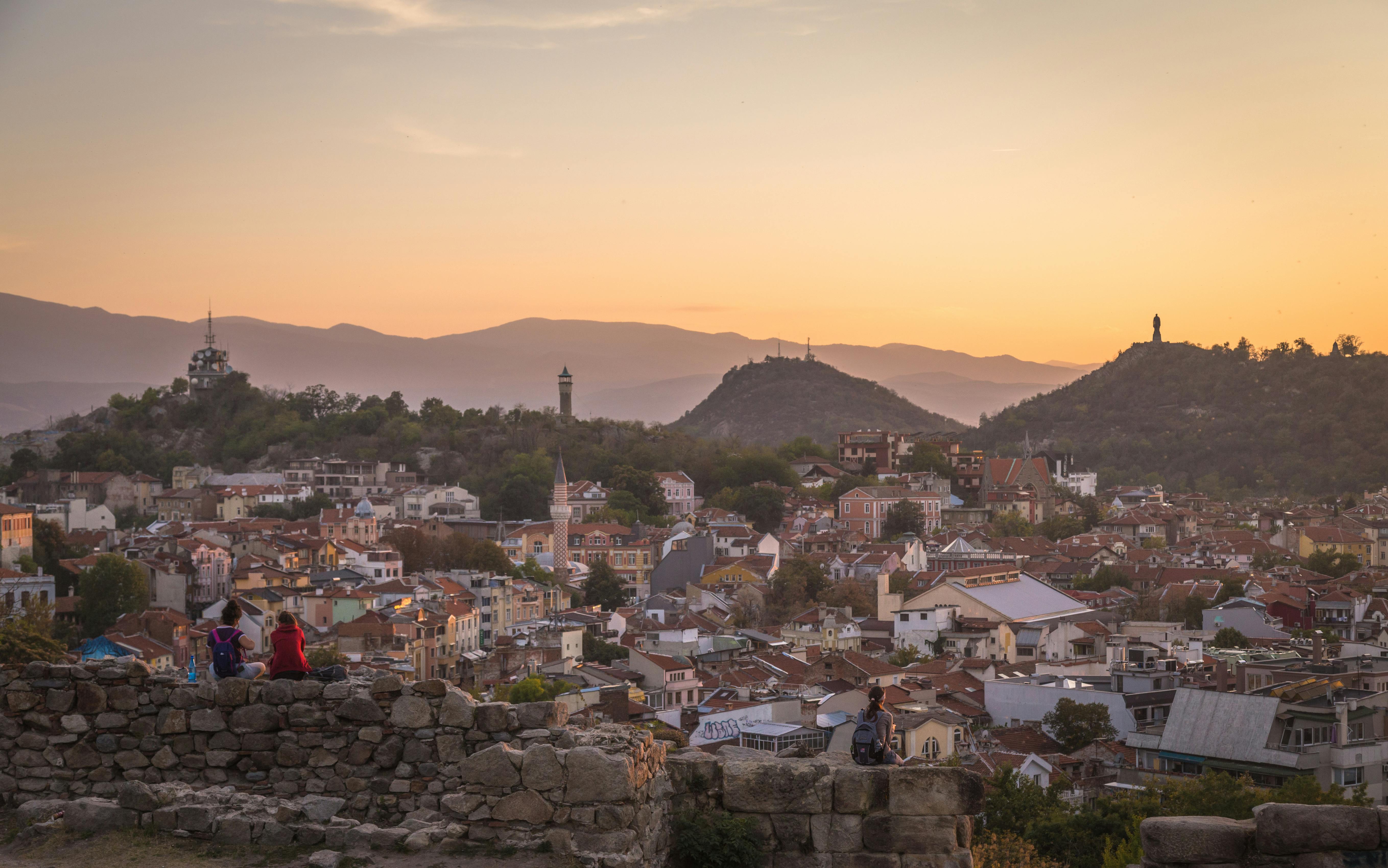
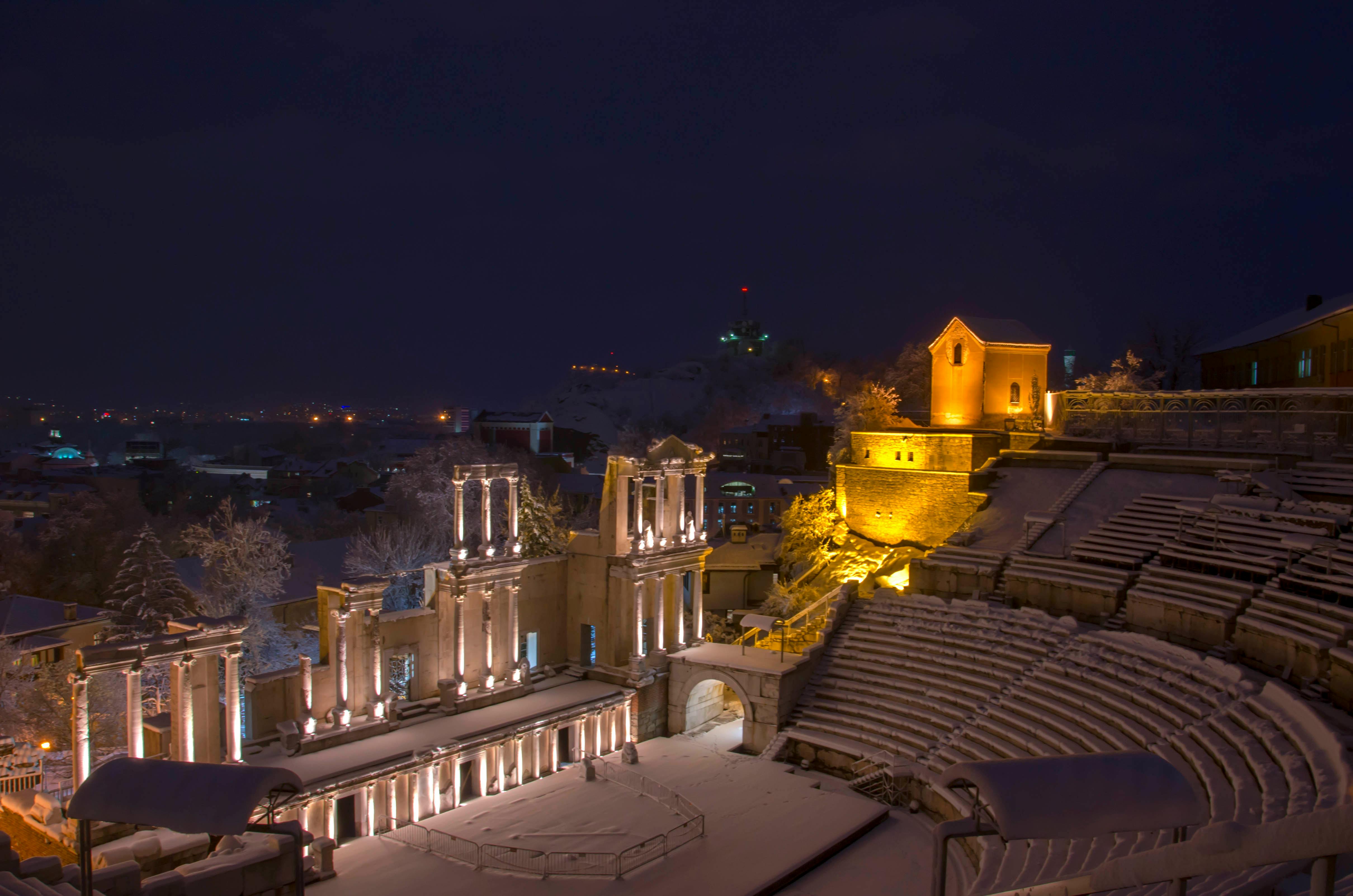
Plovdiv, one of the oldest continuously inhabited cities in Europe, is a city where ancient history meets contemporary art. Its Roman Theatre, still in use today, is a testament to its long-standing cultural significance. The city’s Kapana district, once a forgotten area, has been transformed into a vibrant hub of creativity, filled with galleries, workshops, and cafes. Plovdiv’s status as a European Capital of Culture in 2019 highlights its commitment to fostering the arts. The city’s unique blend of ancient history and modern artistic expression offers an enriching cultural journey for visitors.
The Road Less Traveled
Exploring these overlooked European cities offers travelers the opportunity to experience the continent’s rich cultural diversity away from the usual tourist trails. Each city, with its unique blend of history, art, and tradition, provides a distinctive perspective on European culture. From the medieval streets of Ghent to the intellectual vibrancy of Tartu, these destinations invite visitors to engage deeply with their heritage. By venturing off the beaten path, travelers can uncover the authentic heart of Europe, creating unforgettable memories and gaining a deeper understanding of its multifaceted identity.