
Budget Mastery Secrets Banks Wish You Didn't Know
Unlocking the secrets of budget mastery can transform your financial future, and by browsing options, you can explore strategies banks would rather keep under wraps.
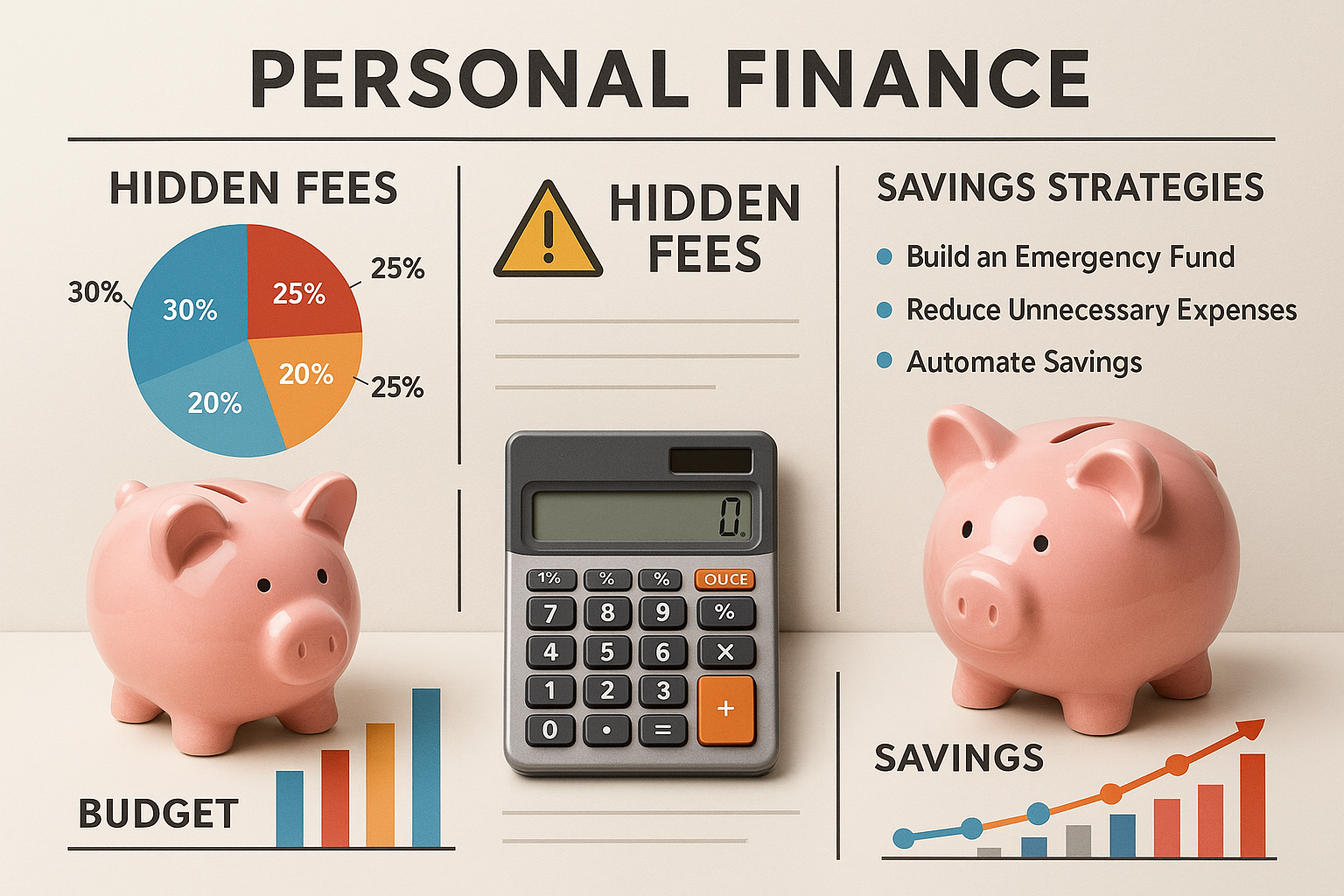
Understanding Budget Mastery
Budget mastery is not just about cutting expenses; it's about strategically managing your finances to maximize savings and investments. By understanding how banks operate and the financial products they offer, you can leverage these tools to your advantage. Banks often rely on consumer habits that favor overspending and under-saving, which is why gaining insight into budget mastery can be a game-changer for your financial health.
Secrets Banks Don't Want You to Know
One of the first secrets is the power of compound interest. While banks use this principle to grow their wealth through loans and mortgages, you can use it to your benefit by investing in high-yield savings accounts or retirement funds. For instance, the average annual return on a diversified stock portfolio has historically been around 7%1, which can significantly grow your investments over time.
Another secret is the importance of understanding fees. Banks often charge hidden fees on accounts, loans, and credit cards. By regularly reviewing your statements and negotiating fees, you can save a substantial amount. For example, many credit cards offer no annual fees and cashback rewards, which can be more beneficial in the long run2.
Strategies for Effective Budgeting
To master your budget, start by tracking your expenses. Numerous apps and online tools can help you monitor your spending and identify areas where you can cut back. By following the 50/30/20 rule—allocating 50% of your income to needs, 30% to wants, and 20% to savings—you can ensure a balanced financial plan3.
Additionally, consider setting up automatic transfers to savings accounts. This method ensures that a portion of your income is saved before you have the chance to spend it. Many banks offer automatic transfer options that can be set up online, providing a hassle-free way to grow your savings.
Exploring Financial Products
Banks offer a variety of financial products that, when understood and used correctly, can boost your financial standing. High-yield savings accounts, for instance, offer interest rates significantly higher than traditional savings accounts. By shopping around and comparing rates, you can find accounts that offer returns of up to 4% annually4.
Moreover, certificates of deposit (CDs) can provide higher interest rates in exchange for keeping your money deposited for a set period. This option can be particularly beneficial if you have a lump sum you don't need immediate access to.
The Path to Financial Independence
Achieving financial independence requires a combination of strategic budgeting, wise investment, and continuous education on financial products and services. By mastering your budget and leveraging the tools available, you can pave the way to a more secure financial future. As you explore these options, remember that knowledge is power, and the more informed you are, the better equipped you'll be to make decisions that benefit your financial health.