
Exploring the Enchantment of Night Adventures The Rise of Noctourism and the Wonders of Stargazing
As the sun dips below the horizon, a different world awakens, inviting those with a sense of adventure to explore its mysteries. This is the realm of night adventures, where the darkness is not a barrier but a gateway to new experiences. The phenomenon known as "noctourism" is gaining traction worldwide, as more people seek to escape the hustle and bustle of daytime activities and immerse themselves in the serenity and wonders of the night. From stargazing under pristine skies to nighttime wildlife safaris, noctourism offers a unique blend of tranquility and excitement, promising unforgettable experiences that connect us more deeply with the natural world.
The Rise of Noctourism: A New Trend in Travel

Noctourism is a burgeoning trend that caters to those seeking novel experiences away from the typical tourist crowds. This movement is driven by a growing appreciation for the night as a time of wonder and discovery. Travelers are increasingly drawn to destinations that offer unique nocturnal experiences, such as guided night hikes, moonlit canoe trips, and cultural events under the stars. The rise of noctourism is also supported by advancements in technology, such as improved night vision equipment and apps that help identify constellations, making the night more accessible and engaging. This trend reflects a broader shift towards sustainable tourism, as nighttime activities often have a lower environmental impact than their daytime counterparts.
Stargazing: A Celestial Adventure
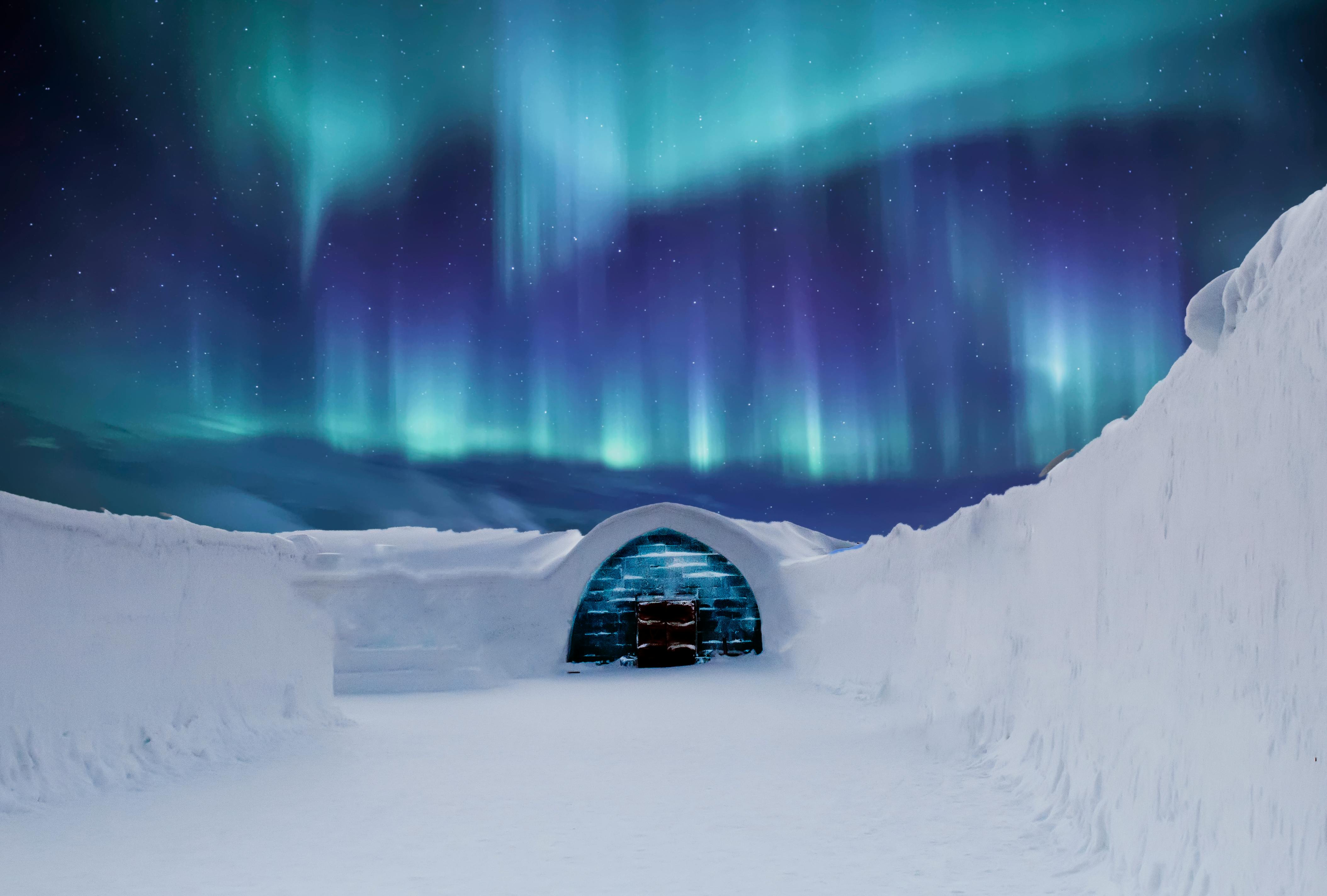
Stargazing is perhaps the most enchanting aspect of noctourism, offering a celestial escape from the earthly confines of daily life. With urban light pollution obscuring the stars for many, dedicated stargazing destinations have become increasingly popular. Places like the Atacama Desert in Chile, the Canary Islands, and rural parts of Australia offer some of the clearest night skies on Earth. Stargazing not only provides an opportunity to witness the vastness of the universe but also serves as a meditative experience, allowing individuals to reflect on their place in the cosmos. Astronomy tours, often led by knowledgeable guides, enhance the experience by sharing insights into the mythology and science of the stars.
Nighttime Wildlife Safaris: Encountering Nocturnal Creatures
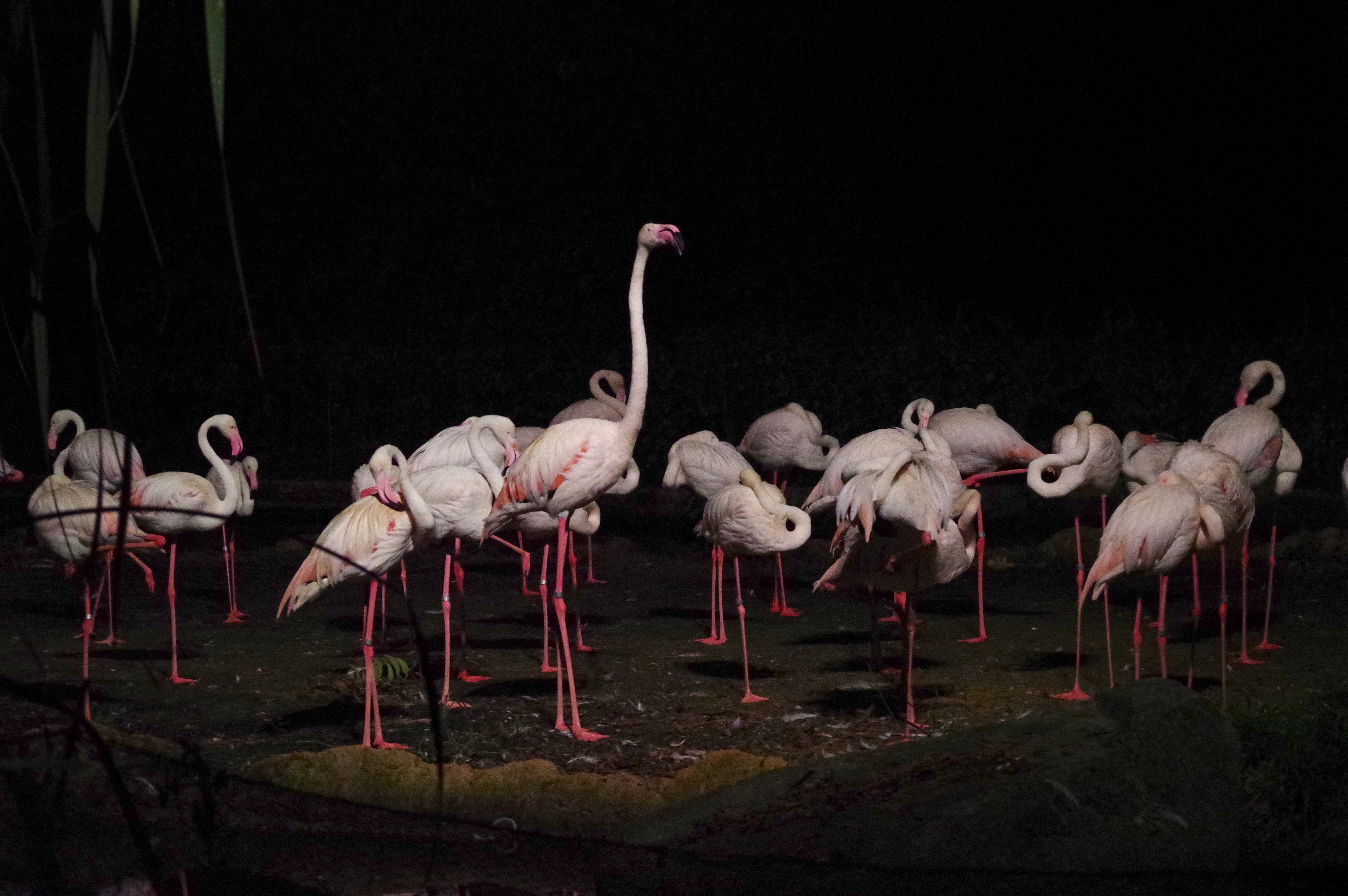
The night is alive with creatures that remain hidden during the day, and nocturnal wildlife safaris offer a chance to witness these elusive animals in their natural habitats. From the jungles of Borneo, where slow lorises and tarsiers roam, to the African savannas, where lions and hyenas hunt under the cover of darkness, these safaris provide a thrilling and educational experience. Participants often use night vision goggles or infrared lights to observe wildlife without disturbing them, ensuring a respectful and sustainable interaction with nature. These safaris not only highlight the diversity of nocturnal life but also emphasize the importance of preserving these ecosystems for future generations.
Cultural Night Events: Celebrating Under the Stars

Nighttime cultural events are an integral part of noctourism, offering a chance to experience local traditions and festivities in a magical setting. Many cultures have long celebrated the night with festivals and rituals that honor the moon and stars. Events like the Full Moon Party in Thailand, the Lantern Festivals in Asia, and the Northern Lights Festival in Norway attract visitors from around the globe. These gatherings often feature music, dance, and traditional cuisine, creating an immersive experience that showcases the rich cultural heritage of a region. By participating in these events, travelers gain a deeper understanding of the local culture and a greater appreciation for the shared human experience under the night sky.
The Science of Night: Understanding Nocturnal Phenomena
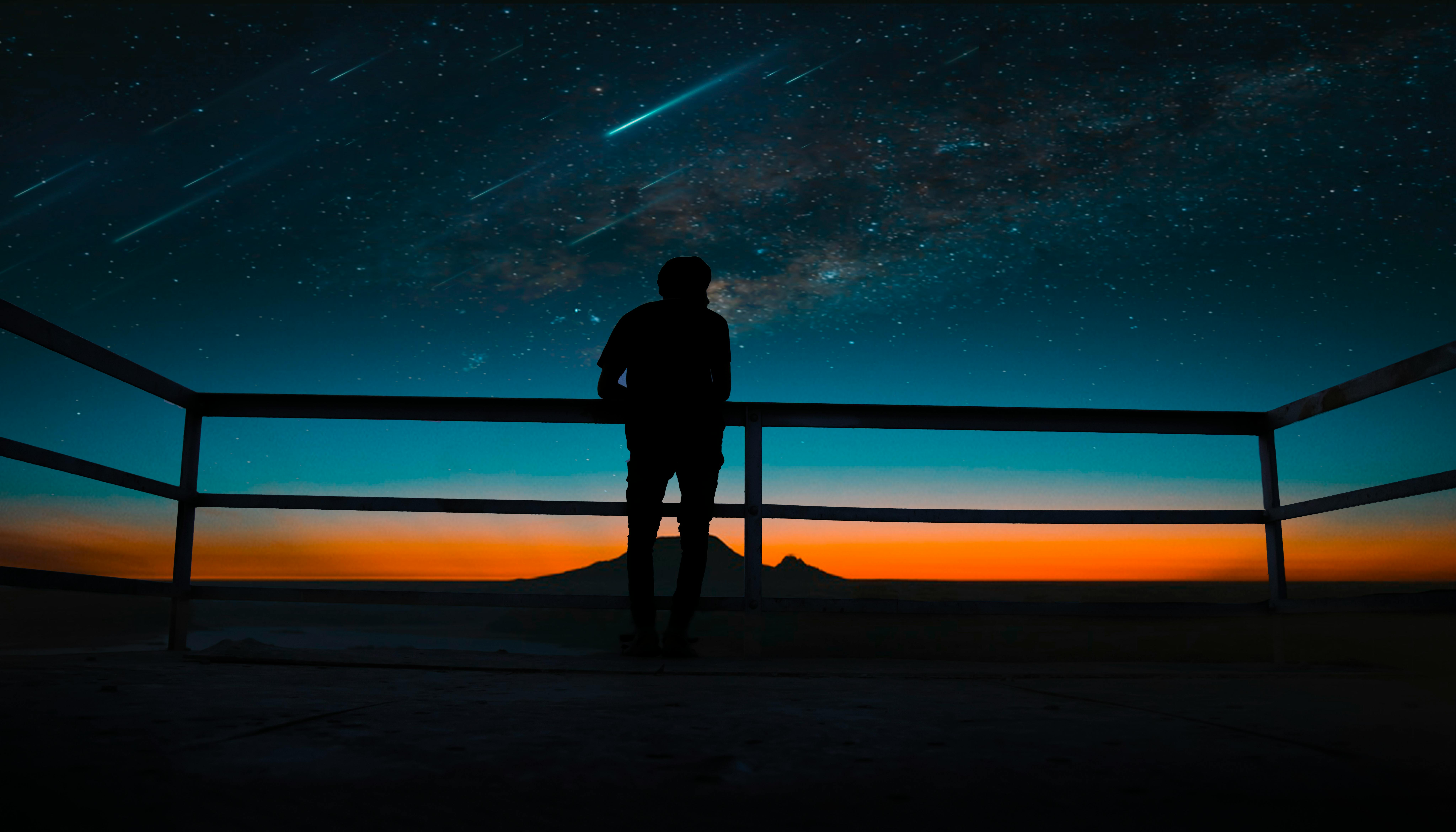
The night is not only a time for leisure but also a subject of scientific inquiry. Researchers study nocturnal phenomena such as bioluminescence, auroras, and meteor showers to gain insights into natural processes and the universe. Bioluminescent bays, where microorganisms emit a glow when disturbed, offer a surreal experience for kayakers and swimmers. The study of auroras, or northern and southern lights, helps scientists understand solar winds and their impact on Earth's atmosphere. Meteor showers, like the Perseids and Geminids, provide opportunities for citizen science, as observers contribute to data collection and analysis. These scientific endeavors enhance our understanding of the night and inspire awe at the natural wonders that unfold after dark.
The Role of Technology in Enhancing Night Adventures

Technology plays a pivotal role in the evolution of noctourism, making night adventures more accessible and enjoyable. Innovations such as portable telescopes, star mapping apps, and improved lighting solutions have transformed the way we experience the night. Apps like Star Walk and SkyView allow users to identify stars, planets, and constellations with ease, while portable telescopes bring distant galaxies into focus. Eco-friendly lighting solutions, such as solar-powered lanterns and LED headlamps, ensure that nighttime activities remain sustainable and minimize light pollution. These technological advancements not only enhance the noctourism experience but also foster a greater appreciation for the night and its myriad wonders.
Embracing the Night
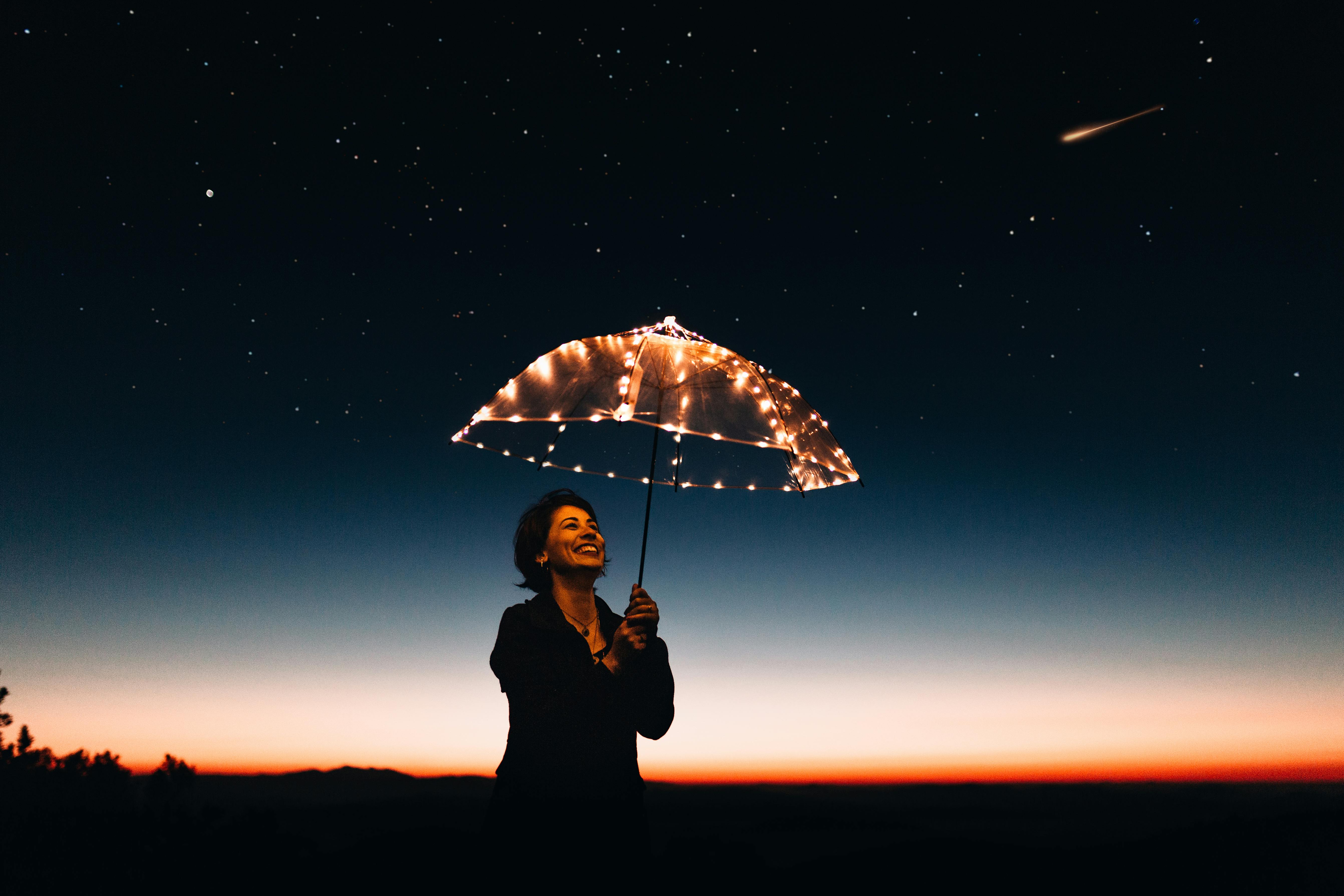
As noctourism continues to rise, it invites us to embrace the night as a time of exploration and reflection. Whether through stargazing, wildlife safaris, or cultural events, night adventures offer a unique perspective on the world and our place within it. By venturing into the night, we connect with nature in a profound way, gaining insights into both the cosmos and ourselves. As more people discover the enchantment of noctourism, it is essential to approach these adventures with respect and sustainability in mind, ensuring that the magic of the night remains accessible for generations to come. In doing so, we not only enrich our own lives but also contribute to the preservation of our planet's natural and cultural heritage.